The Boat That Rocks Portland: Film & Marina Venue Guide
Are you searching for the boat that rocks portland because you mean the film, or because you mean the marina venue in Weymouth and Portland?
The two are often blurred together. That’s understandable. The phrase points to a piece of screen history and a real place people visit for food, drinks, views and live music.
That overlap matters more than it first seems. For visitors, it clears up confusion before a trip. For local businesses, it opens a useful idea. A name with cultural memory is easier to market than a name with no story behind it.
Portland has always done well when place and identity line up. A dramatic coast, a working marina, naval history and a music-linked film title all sit comfortably together. If you’re visiting, that makes the experience richer. If you run a Dorset business, it gives you something concrete to build around.
Decoding The Boat That Rocks in Portland
When locals or visitors say the boat that rocks portland, they’re usually referring to one of two things.
The first is The Boat That Rocked, the 2009 Richard Curtis film with a strong link to the Isle of Portland. The second is The Boat That Rocks, the harbourside restaurant and bar at Portland Marina.
Two names, one local identity
The similarity in name causes the confusion. It also creates a useful local identity.
The film carries a rebellious, music-led spirit rooted in pirate radio. The venue picks up that mood in a more grounded way through its marina setting, relaxed social atmosphere and connection to live entertainment.
If you’ve only heard the name in passing, this is the simplest explanation:
| Term | What it means | Why people search for it |
|---|---|---|
| The Boat That Rocked | A film partly shot on the Isle of Portland | Film history, filming locations, pirate radio story |
| The Boat That Rocks | A venue at Portland Marina | Food, drinks, live music, social visits |
That distinction saves a lot of wasted clicks.
Why the distinction matters
Visitors often want practical information but land on film pages. Film fans often want location history but end up on venue listings. That’s why the keyword has more value than it first appears to have.
Practical rule: If a local name has two meanings, businesses should explain both clearly on their website, social channels and Google Business Profile.
That one move reduces confusion and improves trust. It also helps businesses capture people at different stages. One person is planning a day out. Another is following a film location trail. Both may end up spending time and money in Portland.
A local guide’s view
From a local perspective, this is part of Portland’s charm. You don’t get a sterile tourism story here. You get a real place where maritime history, pop culture and present-day hospitality overlap.
For visitors, that means a trip can be broader than one booking. You might eat at the marina, walk the waterfront, explore the wider island and take interest in the coastline that helped give the film its look.
For entrepreneurs, it means there’s room to package Portland more intelligently. A strong local story doesn’t just entertain people. It helps them choose where to go next.
The Film Connection That Started It All
The deeper meaning behind the boat that rocks portland begins with cinema, not the restaurant trade.
In 2009, Richard Curtis’s The Boat That Rocked used the Isle of Portland as part of its visual world. The island’s rugged coast helped stand in for the exposed waters around the fictional pirate radio ship, Radio Rock.

Why Portland suited the film
Portland doesn’t need much dressing up for screen work. Its cliffs, shoreline and weathered maritime character already look cinematic.
That mattered for a film set around offshore broadcasting in the 1960s. The production used the island’s dramatic edges to suggest isolation, risk and freedom. Portland Bill Lighthouse and Chesil Beach were used for key exterior scenes, tying the story to recognisable Dorset locations. The film was partially filmed on the Isle of Portland, contributed an estimated £2-3 million to the local Dorset economy, and visitor numbers rose by 15% in the following year. The film’s global box office gross was £22.8 million. Those details are noted on the The Boat That Rocked film page.
That’s the part many casual visitors miss. The film didn’t just borrow the scenery. It fed back into Portland’s visibility.
The pirate radio backdrop
The film’s energy comes from pirate radio culture. In the mid-1960s, offshore stations captured public imagination by playing the music people wanted, outside the limits of mainstream broadcasting.
That spirit makes the title memorable. It also explains why the phrase still carries weight. It isn’t just “a boat” and it isn’t just “rock music”. It suggests rule-breaking, youth culture and life at sea.
Portland was a fitting place to support that story because the island already had deep maritime associations. Its coastal identity doesn’t feel borrowed. It feels earned.
Portland works on screen because it already looks like a place with stories behind it.
Why this matters today
Film links can fade if a place never uses them. Portland has a better opportunity than that because the theme still fits the area. Boats, coastline, music, visitors and hospitality all still belong here.
That creates practical opportunities for local event organisers too. If you’re looking at ways Dorset businesses can connect music culture with destination marketing, regional rock festivals and events show how strong themed live experiences can be when they’re tied to a clear audience.
A business lesson hidden in the film story
Local firms often think heritage is only useful for museums, councils or official tourism bodies. It isn’t.
A film connection gives businesses a language customers already understand. It can shape:
- Website copy that explains why a place feels distinctive
- Venue branding that uses music and maritime cues without overcomplicating things
- Partnerships between hospitality, tours and retail
- Social content built around familiar local references
The key is not to force it. Portland’s film link works because it sits naturally alongside the island’s existing character. Visitors can sense when a story is authentic and when it has been glued on afterwards.
Portland's Real Boat That Rocks Venue Today
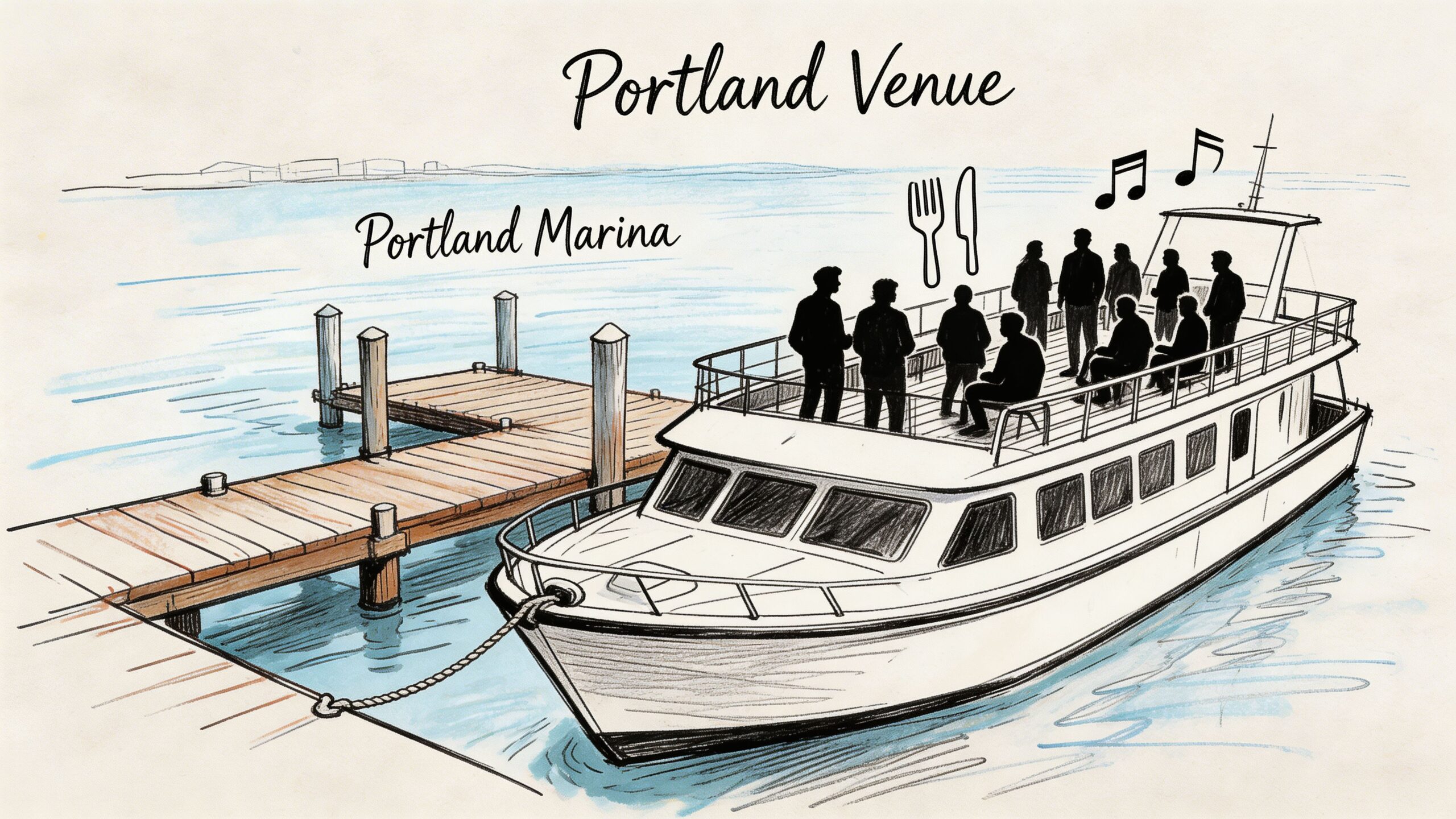
At ground level, The Boat That Rocks is a marina-side venue people visit for a social meal, a drink with a view, or an evening that feels a bit more lively than a standard café stop.
It sits at Portland Marina, close to the sailing activity that shapes this part of the waterfront.
What visitors usually expect
The appeal is easy to understand. You’re by the water, the setting feels open, and the venue leans into a casual marina atmosphere rather than formal dining.
People usually choose places like this for a mix of reasons:
- The setting matters as much as the menu
- The social feel suits groups, couples and informal meet-ups
- The live music angle gives the name more meaning
- The location makes it easy to combine with a wider Portland visit
If you want a feel for the wider area before you go, this Portland explore page gives a useful visual sense of the local place identity.
The practical gap many visitors notice
There’s one issue worth speaking plainly about. Online information around the venue often tells you far less than you need if you’re planning carefully.
The biggest gap is accessibility detail. A listing for the venue notes basics such as its marina setting and nearby sailing academy, but broader practical information is thin. A 2024 Dorset Council survey of 1,200 Portland visitors found 32% were actively seeking better information on step-free access at marina eateries, which shows a clear information gap for families and disabled visitors, as referenced in the venue background on Love Weymouth’s listing for The Boat That Rocks.
That doesn’t tell us what the venue does or doesn’t offer in detail. It tells us many people need that information and aren’t finding it easily online.
Local advice: Before you set off, contact the venue directly if step-free access, buggy space, parking convenience or child-friendly seating will affect your visit.
That small step can save frustration.
How to plan your visit sensibly
Don’t overthink it, but do plan the basics. Marina venues can feel easy-going, yet timing still affects the experience.
Ask yourself:
| Question | Why it matters |
|---|---|
| Are you going for food, drinks or music? | Your ideal arrival time changes depending on the reason for the visit |
| Do you need specific seating? | Waterside spots are often the first people want |
| Are access needs important for your group? | You may need to check entry routes and facilities in advance |
| Are you pairing it with other stops? | Portland works best when you treat it as more than one venue |
A quick look around the area also helps. The marina setting is part of the visit, not just the background.
A short video can also help you get your bearings before arriving.
The link back to the name
What makes the venue memorable isn’t only the location. It’s that the name already comes loaded with attitude.
Even if a visitor doesn’t know the full film history, the phrase suggests music, fun and movement. That’s stronger branding than a generic marina bar name. It gives the venue a built-in personality, and visitors usually respond well to places that feel like they have one.
An Actionable Checklist For Your Visit
A good visit usually comes down to six small decisions made before you leave home.
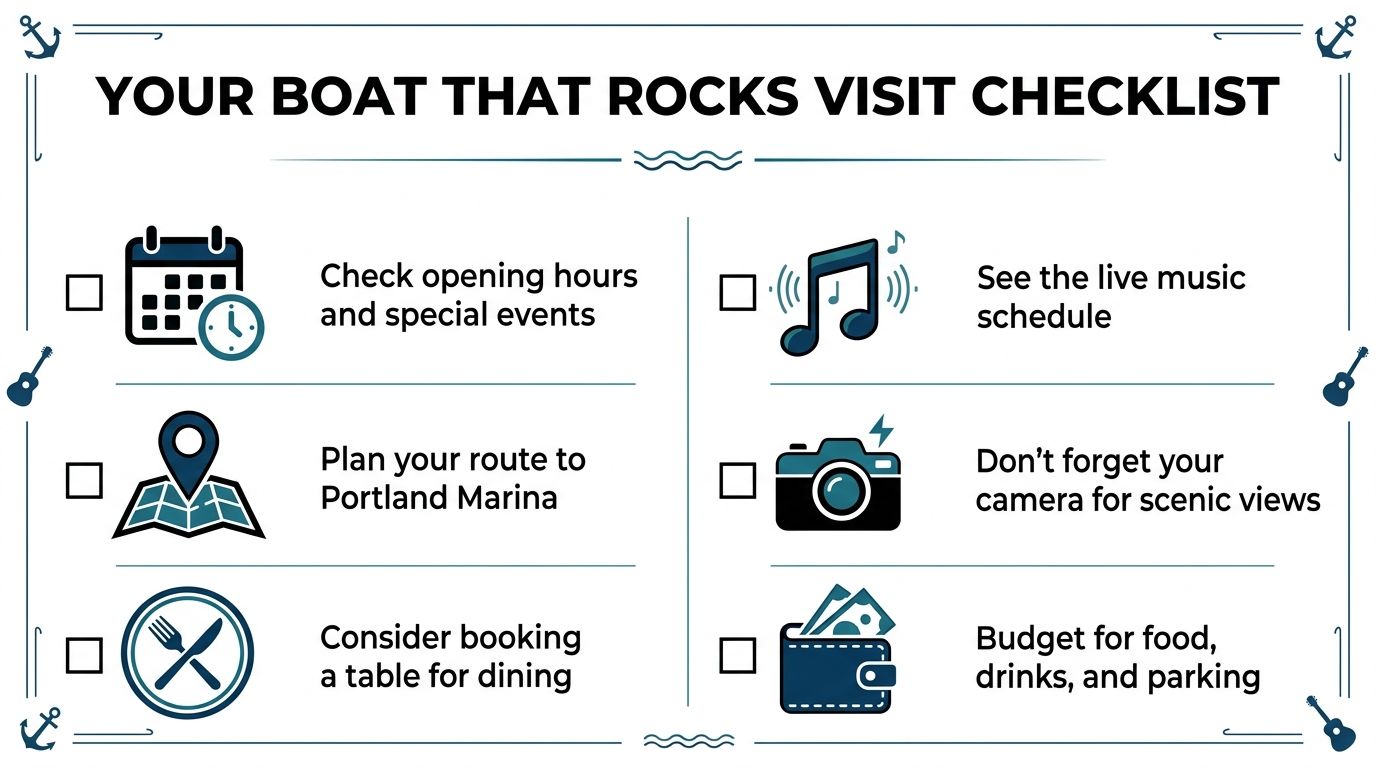
Your practical checklist
Check opening times first. Marina venues can have seasonal rhythm, event changes or private functions. Don’t assume a standard pattern.
Plan your route into Portland Marina. If you’re not local, the last stretch matters more than people expect. Sat nav gets you close. A quick look at the marina layout helps with confidence.
Book if the meal is the main event. If food is your priority, booking is the safer choice, especially when the weather is good and the waterfront is busy.
Look for live music updates. The venue name naturally raises expectations around entertainment. If the music element matters to you, check current listings or social channels before travelling.
Ask about dietary needs before arriving. It’s much easier to sort options in advance than at the table, especially for groups.
Check access details directly. This is the big one for many families, older visitors and disabled guests. Ask about entry, seating, loos, parking and any route from the marina car park.
Build a better day around it
The venue works best when you treat it as one stop in a wider outing.
You could pair it with:
- A marina walk before or after your booking
- A wider Portland drive if you want coastal viewpoints
- Another seafood stop on a separate day, such as inspiration from The Lobster Pot, if you’re comparing how Dorset venues build their local appeal
- A simple photo stop around the waterfront, especially if you enjoy boats and working harbour views
A smoother visit usually comes from asking one extra question before you go, not from trying to improvise everything on arrival.
What to bring mentally
Come with the right expectations. This isn’t central city dining. It’s a place where the setting, the marina mood and the sense of local character do a lot of the work.
If you like places with a bit of personality, you’ll probably enjoy it more. If your group needs exact logistics, sort those in advance and the visit should feel far more relaxed.
Digital Opportunities for Local Dorset Businesses
The most useful business lesson in the boat that rocks portland isn’t about one venue. It’s about what happens when a place has a recognisable story and nearby businesses either use it well or ignore it.
Portland already has the raw ingredients. Film heritage. A marina setting. Visitor interest. A name that people remember.
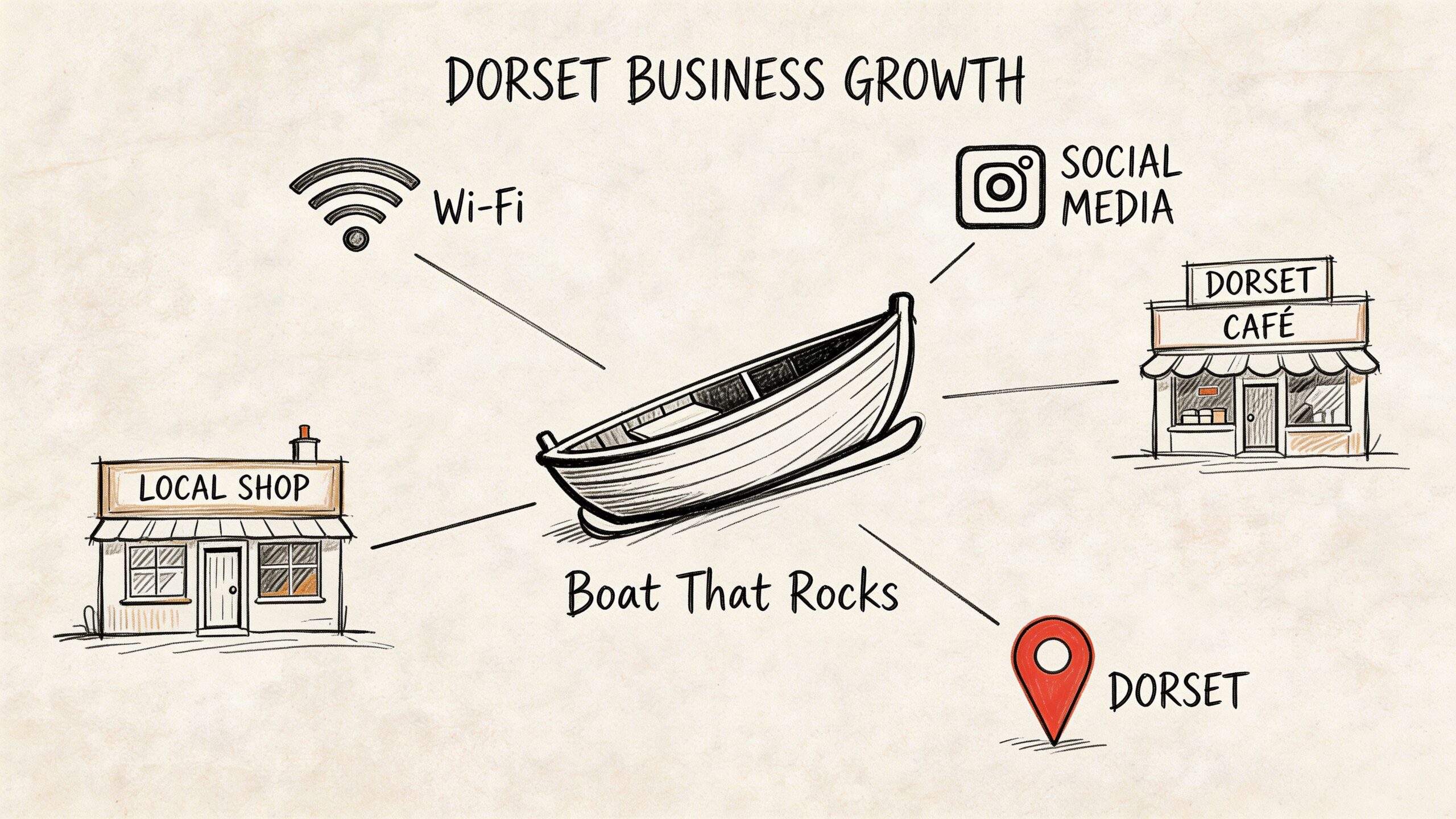
Stop marketing only the product
Many small businesses still market the item in front of them rather than the story around it.
A café sells lunches. A B&B sells rooms. A gift shop sells local goods. That’s fine, but it’s weak on its own. Customers choose faster when they understand the local context.
A better approach is to tie the offer to the place:
| Business type | Weak angle | Stronger local angle |
|---|---|---|
| B&B | “Comfortable stay in Dorset” | “Stay near Portland’s film-linked coast and marina scene” |
| Tour guide | “Island tours available” | “Coastal and culture trail linking maritime landmarks and screen history” |
| Retailer | “Local gifts and souvenirs” | “Music, coast and Portland-themed products visitors actually remember” |
| Food venue | “Fresh food by the sea” | “A marina experience shaped by Portland’s music and maritime identity” |
The stronger angle gives people a reason to care.
Three partnerships that make sense
Not every collaboration needs a major budget. Small partnerships often work best when they’re simple.
A film and coast trail
A local accommodation provider, a guide and a food venue could create a light-touch trail that connects filming locations, scenic stops and a meal.
That sort of package helps visitors stay longer in the area and spend with more than one business.
Event tie-ins
Music-themed nights, harbour events or seasonal promotions can all nod to the cultural memory behind the name without pretending to be something they aren’t.
The important part is consistency. Use the same phrases, the same imagery family and the same destination language across posters, websites and social content.
Food presentation and takeaway branding
If your venue sells food to eat in or take away, presentation matters more than many owners think. Packaging can carry a local story even when the customer has already left the site. This practical guide to food packaging branding is useful because it shows how packaging can reinforce identity rather than act as an afterthought.
Local SEO wins are often basic
A surprising number of businesses near strong landmarks still miss easy search opportunities.
Do the basics well:
- Write separate location pages for Portland, Weymouth and marina-related search intent
- Use clear wording that explains whether you are near, within or overlooking Portland Marina
- Answer practical questions such as parking, bookings, access, dog policy and event availability
- Publish photos with context instead of uploading unlabeled galleries
- Keep your Google Business Profile current
If you’re a local owner who hasn’t reviewed your business listing in a while, this guide on Google Business Profile optimisation is a sensible place to tighten the basics.
One sharp improvement beats ten vague posts: make your location, offer and visitor information clearer before you spend more on promotion.
The hidden commercial advantage
When online information is patchy, the business that explains things plainly often wins.
That doesn’t require clever slogans. It requires useful details. Tell people what the place is like, who it suits, how to book, what to expect and how to get around the area. That’s especially important in coastal destinations, where visitors often make quick decisions from their phone.
A simple action plan for Dorset businesses
Audit your website copy
Check whether your pages mention local landmarks, nearby visitor behaviour and real reasons someone would choose your business.Create one themed landing page
A page built around Portland film links, marina visits or local music culture can catch search traffic with stronger intent.Take better photos with purpose
Show approach routes, entrances, views, seating and any practical details people want to see before visiting.Build one real partnership
Don’t launch five. Start with one venue, one organiser or one accommodation provider.Fix information gaps first
Accessibility, parking, bookings and event timing usually matter more than polishing adjectives.
That’s where local advantage turns into actual bookings.
Answers to Your Common Questions
Is The Boat That Rocks the same as The Boat That Rocked
No. The Boat That Rocked is the film title. The Boat That Rocks is the marina venue name. They’re closely linked in people’s minds because of the shared music and coastal identity.
Where is the venue
It’s at Portland Marina in the Weymouth and Portland area. That makes it a convenient stop if you’re already exploring the marina, sailing academy surroundings or the wider island.
Is it mainly a restaurant or a music venue
Think of it as a social marina venue rather than putting it in one tight box. People go for food, drinks, views and, at times, live entertainment.
Do I need to book
If you’re travelling for a meal or visiting at a peak time, booking is the sensible choice. If you only want a casual drink, flexibility may be easier, but it’s still worth checking ahead.
Is it suitable for families
It may suit many families because of the broad marina setting and casual feel, but practical family information isn’t always easy to find online. If buggy access, children’s seating or space matters to you, contact the venue directly before travelling.
What about disabled access
This is one of the main areas where visitors often want clearer detail. If step-free entry, accessible facilities or nearby parking are important for your trip, ask the venue for specifics before you go.
Can I combine it with other Portland stops
Yes, and that’s often the best way to do it. The marina area works well as part of a wider Portland day rather than as a standalone errand.
Is this a good keyword opportunity for local businesses
Yes. The phrase catches both visitor curiosity and cultural interest. Businesses that clearly explain the film connection, the venue connection or both can create stronger local pages and more useful content.
If your Dorset business needs a clearer website, stronger branding or a better local search presence, DesignStack can help you turn local identity into practical digital results.